
A short history of airbrushing
The airbrush was first invented in the 19th century. In 1876, a photographer and portrait painter named Francis Edgar Stanley patented an early version for finishing photographs. A few years later, an Iowa jeweler named Abner Peeler patented a version that ran on compressed air.
It was a mechanical airbrush, so it went directly onto the printed photo using paint. Over time, it became an industry standard for fashion magazines and advertisements to smooth out skin, remove blemishes, and alter body shape.
Fast forward to the 1990s, and it became digital with the release of Adobe Photoshop. All kinds of magazines used the software to digitally manipulate photos. Think Vogue, Men’s Health, or Women’s Health ... whether it was fixing abs, thighs, faces, or blemishes. Retouching became pretty much an industry standard.
But today I want to talk to you about when it goes too far. It will give you a sense of my philosophy on post-production and retouching for my clients.


Where retouching helps
Let me start by saying most people want to look their best. That’s my objective when I bring a client in and we’re working together. And I think we can all agree that sometimes you need some support at the end of a shoot.
Some of that starts before the camera comes out. Actors and models often request makeup, and I work with a makeup artist to help with that. And if a shirt is wrinkled, I have a steamer. I’d rather fix what I can in the studio.
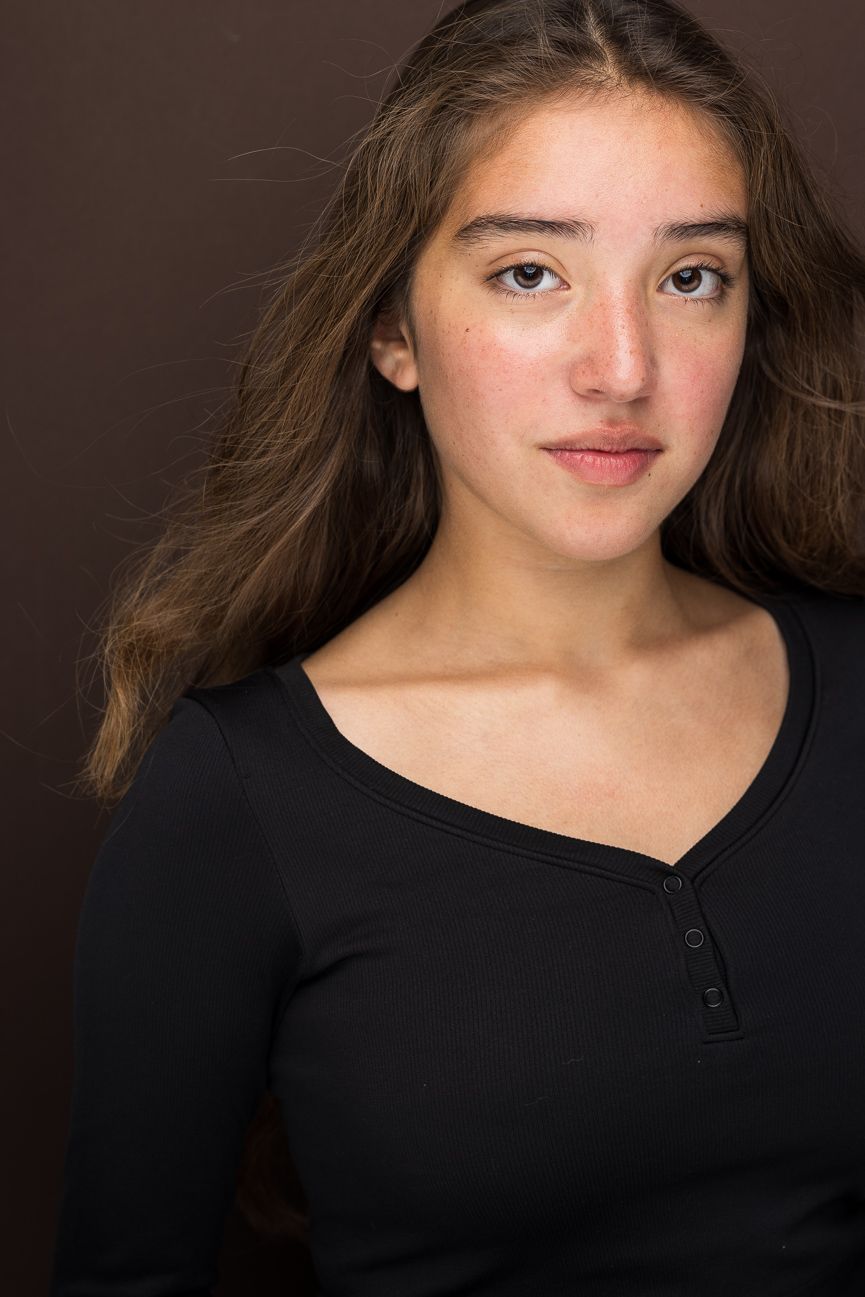
In post-production, I can absolutely help with blemishes and things of that nature. Let’s face it, I work with actors, and teen actors specifically. When you get to a certain age, pimples come up. That’s not a reflection of what you look like all the time. So I take care of them, and I see absolutely nothing wrong with that.
When it goes too far
Where I think it tips the scale is when someone, after I’ve delivered my photos, wants extra things. Smooth out the skin. Make me look 20 years younger.
Some people ask, can you take all of this out? I can. I certainly can. It won’t be much of you left, though. Then it’s, can you take more off my neck, my crow’s feet ... until they look very altered.
Imagine you’re an actor. They selected you from your headshot, and you get into the read. The director looks at you, looks at your headshot, and thinks, this person doesn’t even look the same.
Now think about the other side of it. Your LinkedIn profile photo looks nothing like you. Your skin has been airbrushed to the point where you look 20 years younger. I chuckle a little about that, but it’s true.
Today there’s photography online that is completely fake, not to mention videos that look more real over time. So I think you need to set a standard for your own work. In my case, it’s my own company, and I set that standard. I want to feel comfortable helping the people I work with look good, but not helping them produce something that isn’t really them.
I think people want, more than ever, to see a person for who they really are. We see so much fiction in movies, magazines, and on social media. A photo of you should still look like you.
My philosophy
I’ve been doing this for 20-something years, and I think taste matters. In the age of AI, taste means not going so far with enhancements and tools that you look nothing like who you are in real life.
So when a client asks me to go a little too far, I try very hard to show them that retouching can be done tastefully.
If I’m honest, there have been situations where I made changes that went further than I felt was right for the studio I want to create. When that happens, I tell the client, absolutely, I’ll do it for you. But I’d prefer not to be credited for the photo.
That might sound a little harsh. But I want my work to go out into the world and be seen by lots of people. I don’t want someone to see that photo and say, that’s a Guido Venitucci, because that’s not how I normally do my shots. It’s never my objective to change someone so much that it doesn’t look real.
I’m not perfect either. Sometimes I take a little too much off, or add a little too much shading. Clients who know my work will say, hey, can you just turn it down? And they’re right. In this profession, you have to be able to listen without taking it personally.
I also don’t use AI on skin, eyes, or facial features. I might use it for a stray piece of hair or a wrinkled shirt, but your face stays your face.
It’s also why I tell people, look at my work before you book. Even if your manager or agent recommended me, you need to like it too.
So if you’re interested in working with a photographer who wants you to look great, but sets a standard for post-production that doesn’t go overboard with airbrushing, I hope Guido Venitucci Photography is for you.
Take a look at my work, then get in touch. I would love to work with you.
Sources
How the Invention of the Airbrush Transformed Commercial Art, Smithsonian
Francis Edgar Stanley, Wikipedia