No two photography projects for a company are the same. You’ve got to do your research. You’ve got to think on your feet. You have to be ready for all sorts of different opportunities and challenges.
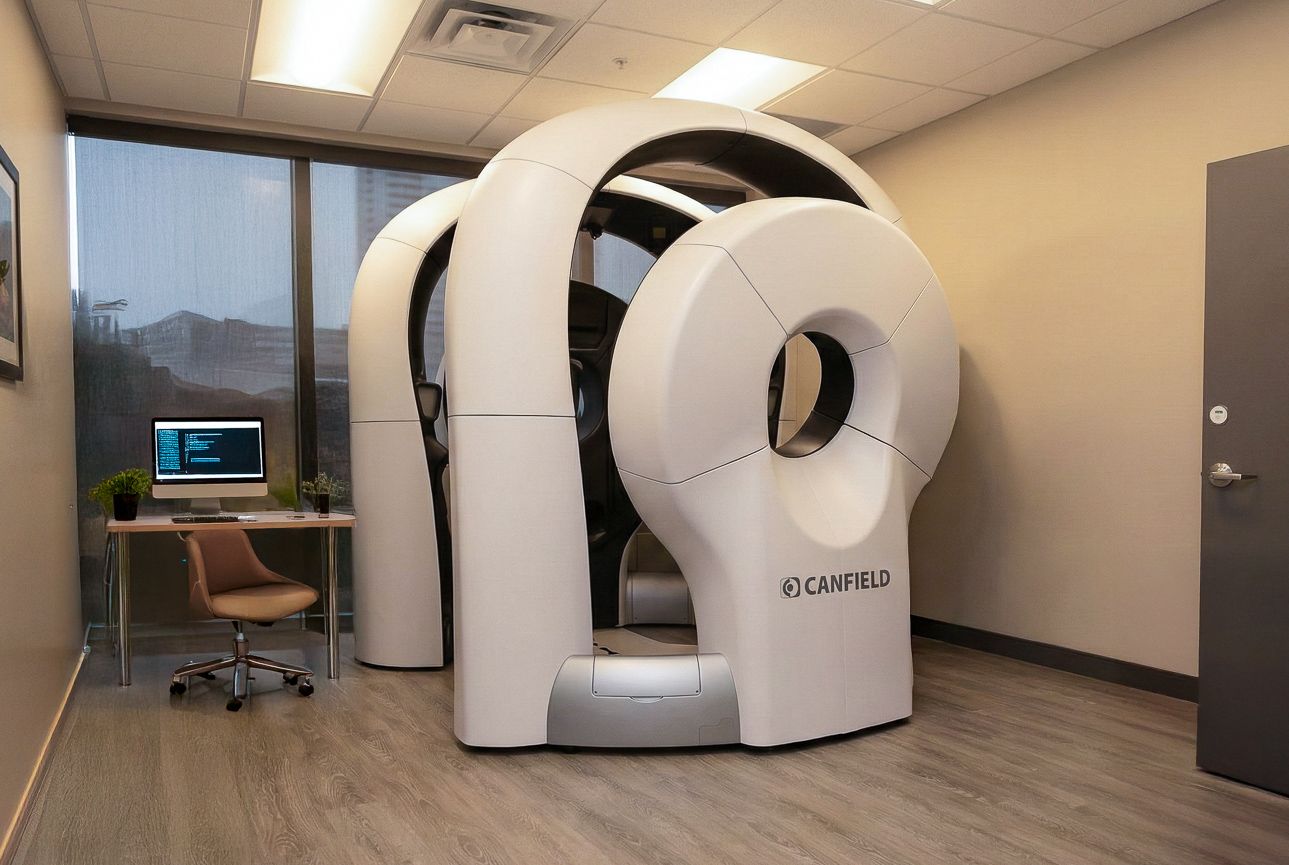
Let me tell you a little bit about something I shot in the winter of 2026. It was a gigantic medical machine that scans your entire body. Elitra Health needed photos of it before we did their headshots, and it took a lot more planning than a headshot session.
Going to see the room first
I took a day and went on site before the shoot. I didn’t know how big this machine was or what lens I would need, and I wanted to find out before the real day.
It was huge. They had brought the machine in, and then they built a room around it. That’s how big it was. The machine took up almost the entire room.
Me, the machine, and the person inside
There was no room for me to photograph it. To get the whole machine in the picture, I needed a 10-millimeter lens.
They also wanted a lot of angles. We wanted to see the person inside. We want to see the person from the top. We want to see the machine.
So it was me, the machine, and the subject inside the machine. Nobody else could be in that room. That’s how small it was.
Shooting it two ways
A lens that wide gets everything in, but it’s very distorted. So I shot it two ways. First, I shot it in sections with a different lens, just in case. Then I shot it with the 10-millimeter, with pretty much the whole machine in the picture.
Afterward, I tried to put it back together from the sections. I wasn’t happy with that. So I worked on the wide shot in post-production, correcting the distortion and the room just a little bit, so they could see the machine the way it really is. They were happy with it, thankfully.
Post-Production: Using AI for the Final Product Shot
The room was actually smaller than they needed it to look. They wanted it to appear a little bigger. So in post-production, I used AI software to help with the final look and feel. I’d used it before, but this was the first time on a shoot this complex.
Part of what I was asked to do was maintain the product's integrity while making the space around it look a bit different. That’s what I was tasked with, and that’s what I did, carefully, with AI's help.
You have to use AI carefully. People want to know that what they’re seeing is real, and your marketing has to match the actual product you are selling. So it was on me to make sure I didn’t tip the scale.
Did I need to make the room and the depth of the room look different? Absolutely. Did the product ever change? Absolutely not. That is the most important thing.
As you can see in the photos above, I took the original photo, photo A, and made those changes so that the final product, photo B, gives the machine a more professional-looking space. When it goes into magazines, flyers, or on the web, it looks exactly like the product a customer would get.
The buyers of this machine, which I understand are hospitals and medical facilities, can look at it and see how big the machine is, with a person inside it for scale. They would get the exact measurements from the trained professionals responsible for the machine, of course, but it gives them a good sense of it.
Even with how much these tools have improved over the last two years, AI can take liberties if you don’t carefully control what it’s doing.
That’s where my experience comes in. I know more about photography than the average person. So if I’m going to use AI, I’ll use my expertise to keep a close eye on what the tool is doing. That way, it doesn’t stretch the truth and stays honest.
I think there’s always a balance you need to strike. But these are very useful technologies. Bringing them into my post-production work, using my skills as a photographer, has only improved my ability to serve my customers.
If you have a product, a space, or a piece of equipment that needs photographing, especially in a tight space, get in touch and tell me what you need. I’ll probably ask to see the room first, and samples of the product.
I do plenty of product photography, headshots, and much more. Check out the rest of my website, and feel free to reach out at any time at Guido@guidovenitucci.com.
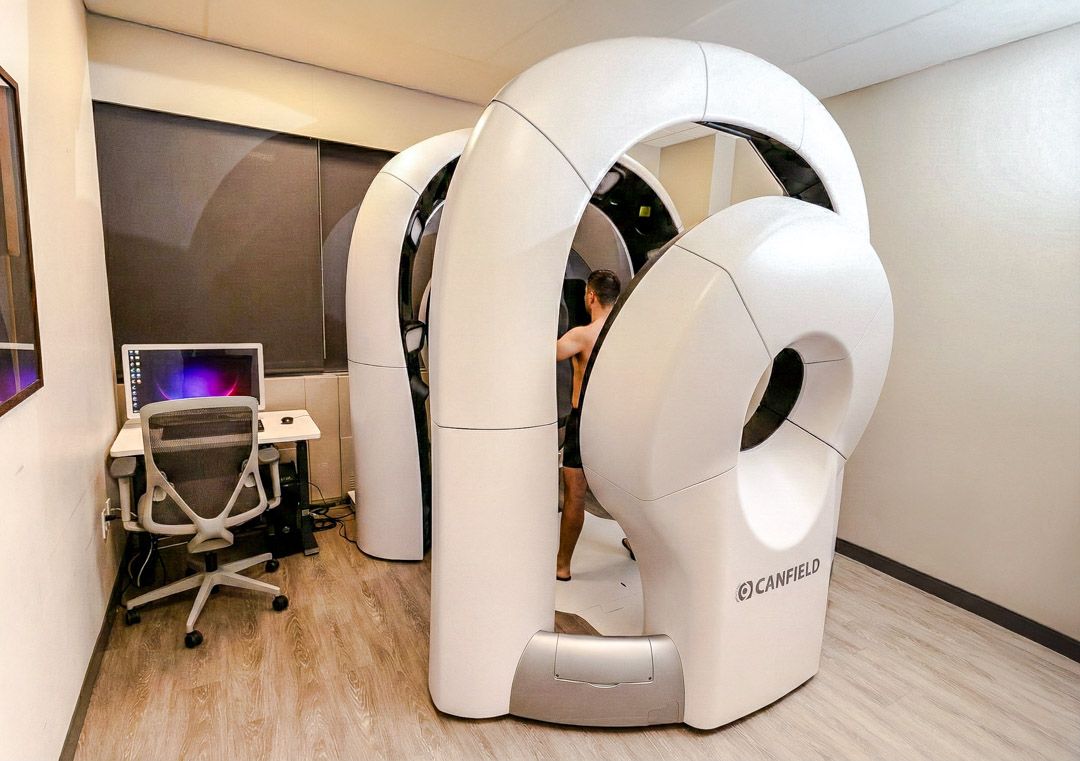
original shot
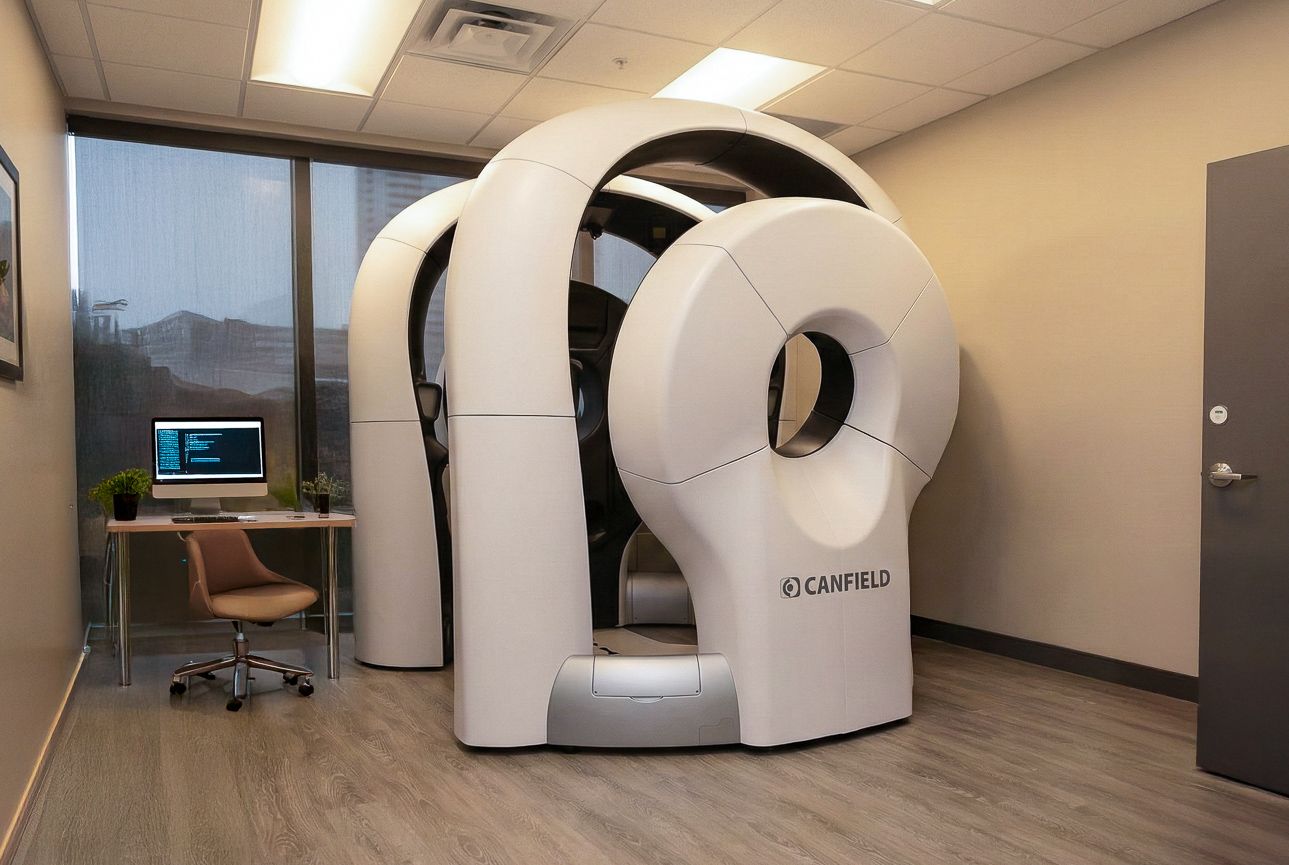
final shot